
What Does T-Shirt Fit Mean? A Guide to Every Cut
Fit means one thing: how a T-shirt’s cut sits on your body. That’s it. Not the size on the tag. Not the fabric weight. Just shoulder, chest, waist, and length working together to create a shape.
Seven names cover almost every tee you’ll ever shop for:
- Slim Fit: tight through the chest and arms.
- Regular (Classic) Fit: neutral, room to move.
- Loose/Relaxed Fit: extra space everywhere.
- Oversized: dropped shoulders, boxy, deliberate.
- Body/Shape Fit: contoured, follows your torso.
- Long/Drop Fit: extended body length, standard width.
- Straight/Modern/Skinny: straight-cut variations between slim and regular.
Once you know these seven, every product page starts making sense.
Key Takeaways
T-shirt fit comes down to five measurements (shoulder, chest, waist, sleeve, and length), and matching those numbers to a brand’s flat garment chart beats guessing from the size label alone.
| Point | Details |
|---|---|
| Fit means cut, not size | Shoulder, chest, waist, and length together determine how a shirt sits on your body. |
| Seven core fits to know | Slim, Regular, Loose/Relaxed, Oversized, Body/Shape, Long/Drop, and Straight/Modern/Skinny cover nearly every tee. |
| Measure a shirt you own | Flat garment measurements from a favorite tee beat guessing from body measurements alone. |
| Add ease for looser fits | Allow 2 to 3 cm extra for standard fit, 4+ cm for relaxed or oversized styles. |
| Mr. Happiness cuts are clearly labeled | The Statement Oversized T-Shirt and Women’s Cropped Tee map directly to the Oversized and Body/Shape categories explained above. |
Table of Contents
- T Shirt Fits Erklärt: The Full Catalog
- Which Measurements Actually Change Between Fits?
- What Fit Works Best for Your Body Type?
- How Do You Measure Yourself for the Right T-Shirt Size?
- How Mr. Happiness Labels Its Fits
- A Quick Recommendation Before You Buy
- Ready to Find Your Fit?
- Frequently Asked Questions
- Sources
T Shirt Fits Erklärt: The Full Catalog
Here’s t shirt fits erklärt in plain terms, one cut at a time.
Slim Fit hugs the chest and tapers at the sides. Worn with dark denim, it reads sharp and put-together. Brands sometimes label it “Body Fit,” and the effect is the same: a shirt that follows your shape instead of hanging off it.
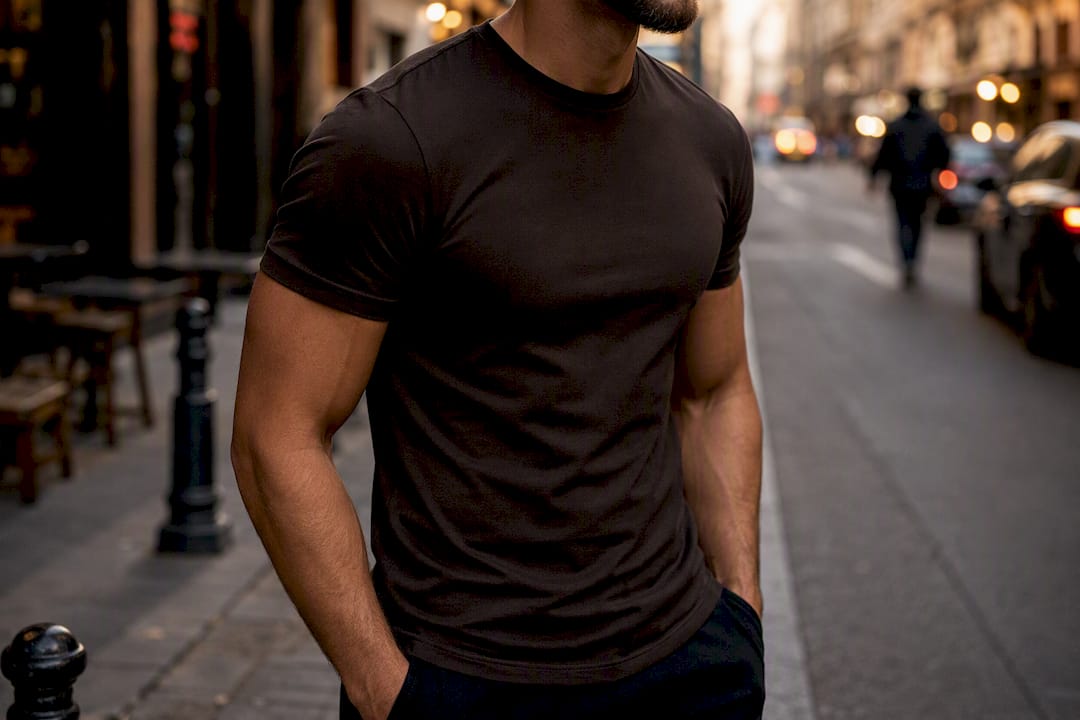
Regular Fit (also called Classic Fit) is the middle ground. Enough room to breathe, no baggy fabric bunching at the waist. It’s the safest first purchase from any brand you haven’t worn before.
Loose or Relaxed Fit trades shape for comfort. Wider chest, straighter sides, more drape. On tags you’ll often see “Comfort Fit” used as a stand in for Relaxed or Loose Fit, and the Comfort Fit terminology really does mean a wider, easier cut across the shoulders and waist.
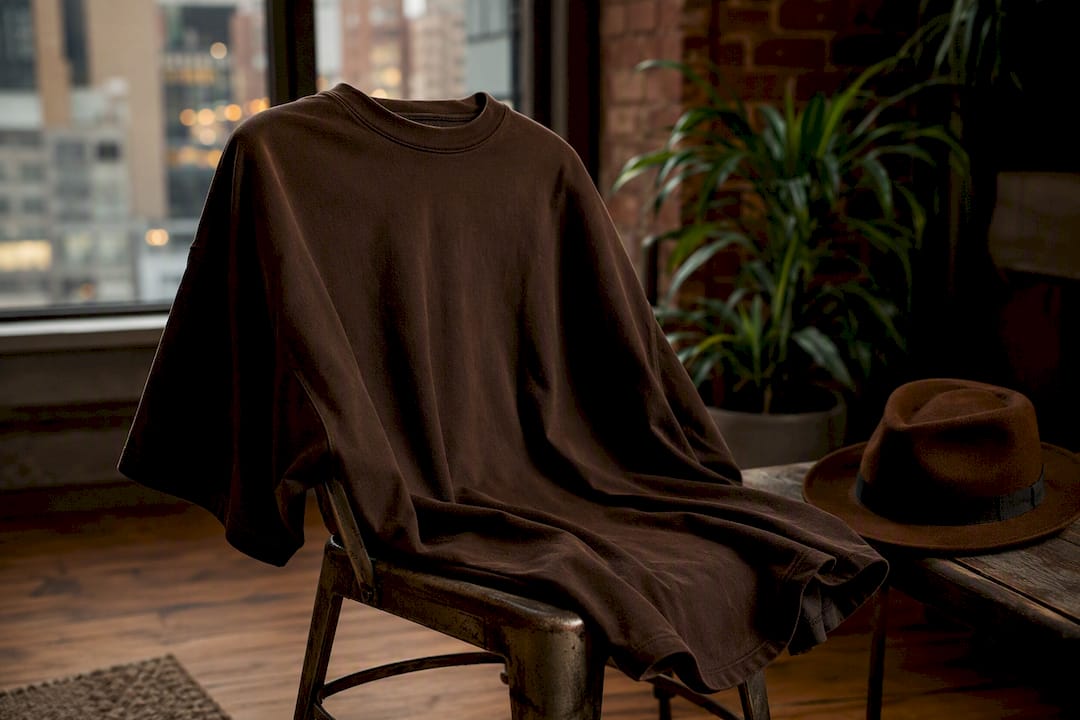
Oversized goes further still: dropped shoulder seams, a boxy body, often paired with shorter sleeves for contrast. Worn with fitted joggers or slim denim, it becomes a shape statement rather than an accident.
Body/Shape Fit contours closer at the waist while staying true through the chest and shoulders. Think of it as Slim Fit’s more tailored cousin.
Long/Drop Fit keeps standard width but stretches the body length, landing lower on the hip or upper thigh. Popular in streetwear layering.
Straight, Modern, and Skinny fill the space between Slim and Regular. Skinny is the tightest of the group. Modern splits the difference. Straight keeps a consistent width top to bottom with no taper, a term borrowed from workwear fit naming conventions that carries over cleanly to T-shirts.
Which Measurements Actually Change Between Fits?
Five measurement points define every fit on this list:
- Shoulder seam position: sits at your natural shoulder for Regular, drops past it for Oversized.
- Flat chest width: measured pit to pit, this is the single biggest factor in how a tee feels.
- Waist taper: pronounced in Slim and Body Fit, absent in Loose and Oversized.
- Sleeve length and hem width: shorter and tighter in Slim, looser and sometimes longer in Relaxed cuts.
- Overall body length: standard hip length for most fits, extended for Long/Drop styles.
Moving from Slim to Oversized can add noticeable extra room at the chest and shoulder alone, which is why two shirts in the same labeled size can look completely different on the same person.
Pro Tip: Zoom into product photos and check where the shoulder seam sits on the model. A seam past the natural shoulder line is your visual cue for an Oversized or Drop cut, even before you read the description.
What Fit Works Best for Your Body Type?
Body shape and occasion both steer the decision, and neither has one universal answer.
Broad shoulders read balanced in Regular or Body Fit. Slim Fit can emphasize width in a way that feels boxy rather than sharp. If your torso runs narrow, Slim or Skinny cuts add visual structure instead of swallowing your frame. Fuller midsections generally sit better in Regular or Loose Fit, since the straighter cut skips the taper that draws attention to the waist. Taller frames can carry Long/Drop Fit without looking swamped. Shorter frames often do better with standard body length, since extended hems can cut proportions awkwardly.
Occasion matters just as much:
- Slim or Body Fit for anything you’d call “dressed up casual.”
- Regular Fit for daily wear, work-adjacent settings, layering under jackets.
- Oversized for streetwear, weekend styling, or a deliberate statement look.
Balance is the real trick. Pair a Slim tee with looser bottoms, or an Oversized tee with fitted jeans. Matching loose with loose, or tight with tight, tends to erase your shape rather than flatter it.
How Do You Measure Yourself for the Right T-Shirt Size?
Skip the tape measure on your body first. Start with a tee already in your closet that fits the way you want a new one to fit.
- Lay it flat on a table, front side up, sleeves straight.
- Measure pit to pit across the chest for flat chest width.
- Measure shoulder seam to shoulder seam across the top.
- Measure collar to hem for body length.
- Measure shoulder seam to cuff for sleeve length.
This flat-garment method, recommended by sizing guides, gives you real numbers instead of guesses.
To compare against a new brand’s chart, divide your actual chest circumference in half. Add roughly 2 to 3 centimeters for a standard fit, or 4 or more for something relaxed or oversized. Size up for 100% cotton if you expect any tightness, since cotton shrinks. Stick closer to true-to-size with cotton-blend fabrics, which hold shape better.
Pro Tip: Save your golden measurements in your phone’s notes app. Chest, shoulder, length, sleeve. Pull them up every time you shop a new brand and skip the return-and-reorder cycle entirely.
How Mr. Happiness Labels Its Fits
Mrhappinessofficial keeps cut names consistent with what’s explained above, so nothing gets lost in translation between fit terms and the actual garment.
- The Statement Oversized T-Shirt uses a true Oversized cut: dropped shoulder, boxy body, room to layer.
- The Women’s Cropped Tee shortens body length while keeping a fitted waist, matching the Body/Shape category.
- Across product lines, Oversized suits streetwear layering, while Relaxed cuts suit everyday comfort without the dramatic drop.
Wash cold and skip high heat drying if you want the original proportions to hold.
A Quick Recommendation Before You Buy
Start with Regular Fit if you’re unsure. It’s forgiving, versatile, and rarely wrong. Size up to Oversized once you know you like the boxier look, and always measure an existing tee before trusting a size chart blindly.
Ready to Find Your Fit?
Mrhappinessofficial builds every cut around one idea: the shirt should carry the statement, not just cover the body. If you already know you gravitate toward a boxier, streetwear-leaning shape, the Statement Oversized T-Shirt is the clearest example of that cut done right, dropped shoulders and all.
Not sure yet which fit matches your build? Browse the full Signature Collection and compare cuts side by side before you commit. Every product page lists flat garment measurements, so you can apply the pit-to-pit and shoulder-seam method covered above before checkout, not after the shirt shows up too tight or too loose.
Frequently Asked Questions
What is tighter, Slim or Regular Fit? Slim Fit is tighter. It’s a body-skimming cut through the chest and sides, while Regular Fit stays neutral with more room throughout.
What does Straight Fit mean on a T-shirt? Straight Fit keeps the same width from shoulder to hem with no taper at the waist, sitting between Slim and Relaxed in overall closeness.
What does Relaxed Fit mean in German fit vocabulary? Relaxed Fit and Comfort Fit describe the same idea: a wider cut through the shoulders, chest, and waist that prioritizes ease of movement over shape.
What size T-shirt should I wear? Measure a well-fitting tee flat (chest, shoulder, length), then match those numbers against the brand’s garment chart rather than relying on the size label alone.
How much does cotton shrink after washing? Expect roughly 3 to 5 percent shrinkage on 100% cotton after the first hot wash, so size up slightly if you plan to wash warm.