
How Streetwear Expresses Identity: Your 2026 Guide
Streetwear is defined as a form of cultural self-expression where clothing communicates personal values, community belonging, and lived experience. How streetwear expresses identity goes far beyond logos and colorways. It operates as a visual language, one that signals where you come from, what you believe, and who you stand with. Personal identity is the strongest trend in the streetwear sector for 2026, with 18–35-year-olds favoring curated, individual styles tied to music, sports, or community movements. That shift reflects something deeper than fashion. It reflects a generation that refuses to let a price tag define their worth.
How does streetwear express identity through graphics and design?
Streetwear graphics are the primary communication tool in the culture. A graphic tee does not just fill space on a torso. It references a city, a moment, a movement, or a belief system. Graphics carry stories that create brand loyalty beyond seasons, making them the most visible and recognized element of streetwear identity.
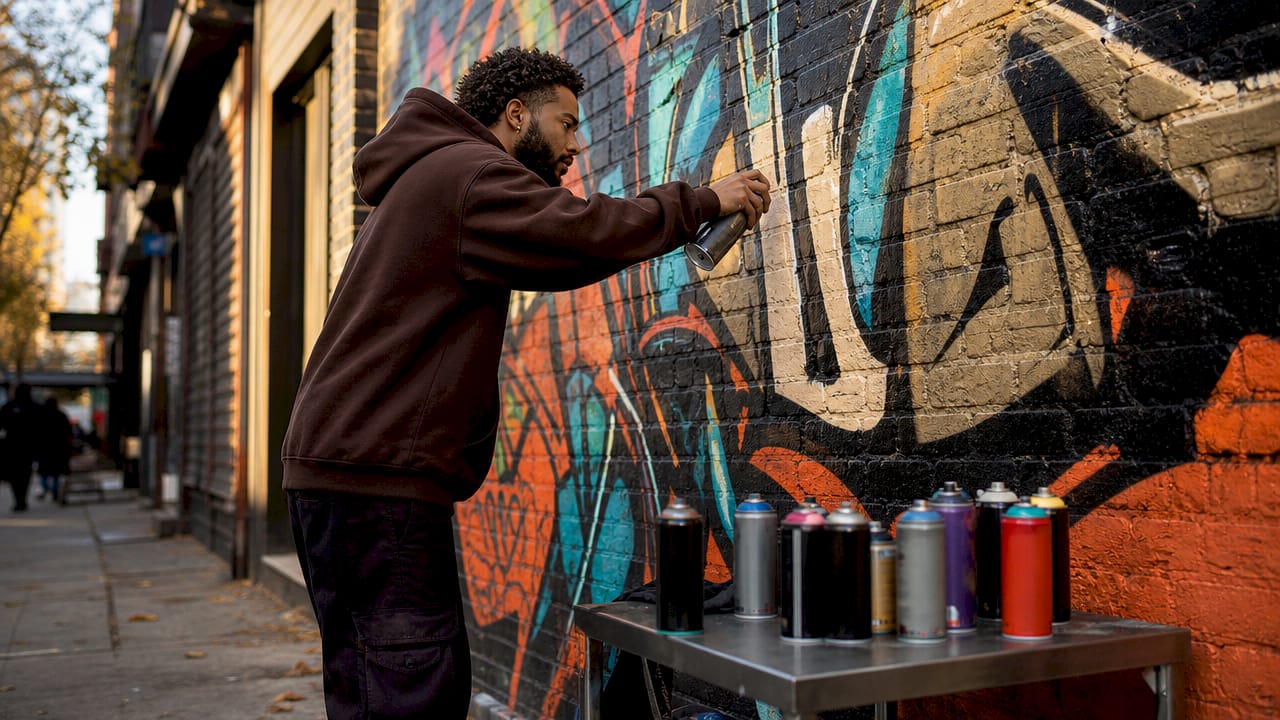
The role of art in streetwear design is not decorative. It is documentary. Graffiti lettering, screen-printed murals, and hand-drawn illustrations each borrow from urban art traditions that predate the internet. A hoodie printed with a neighborhood skyline tells a story no caption can match. That specificity is exactly what separates streetwear graphics from generic fashion prints.
Visual storytelling in streetwear works through symbolism. Color choices carry weight. Black signals authority and restraint. Red signals urgency and energy. Earth tones signal connection to roots and community. The role of color in streetwear identity is not accidental. Designers choose palettes the way writers choose words, with intention and consequence.
Brand graphic consistency builds long-term identity. When a brand repeats a visual motif across seasons, wearers begin to associate that image with a set of values. Art and graffiti are core to streetwear aesthetics, infusing garments with rebellion and urban narrative. That consistency is what turns a piece of clothing into a statement.
- Graphic placement matters. A chest print reads as bold and direct. A sleeve print reads as subtle and personal.
- Typography communicates attitude. Block letters signal confidence. Script signals intimacy.
- Cultural references authenticate the design. A graphic that references a real place or moment carries more weight than one that is purely decorative.
- Color contrast amplifies message. High contrast reads as confrontational. Muted tones read as introspective.
Pro Tip: When building streetwear looks from scratch, start with one graphic piece and build every other element around its dominant color. That single decision creates visual coherence without effort.
What cultural roots shape streetwear’s identity expression?
Streetwear did not emerge from fashion houses. It grew from the streets, specifically from skateboarding, hip-hop, and graffiti art subcultures that formed in American cities during the 1980s and 1990s. Streetwear culture emphasizes community, authenticity, and creativity rooted in those urban subcultures. Those values did not disappear when streetwear went mainstream. They became the standard by which authenticity is measured.
The reason streetwear speaks to marginalized voices is structural. Skate culture, hip-hop, and graffiti all developed outside institutional support. They were built by people who had no invitation to the mainstream and created their own visual codes instead. Streetwear carries that origin story in every stitch. Wearing it is a way of honoring a tradition of self-determination.
Community shapes identity in streetwear through four clear mechanisms:
- Shared visual codes. Members of a streetwear community recognize each other through specific silhouettes, brands, and graphics that outsiders may not read correctly.
- Collective memory. A drop from a specific era, a collab tied to a local artist, or a graphic referencing a neighborhood event all function as shared history.
- Authenticity gatekeeping. Communities reward those who engage with the culture genuinely and reject those who treat it as a costume.
- Global connectivity. Online streetwear communities grew 30% over five years, according to Global Fashion Network 2025 data. That growth means local subcultures now influence global aesthetics in real time.
Social media accelerated this process dramatically. A kid in Atlanta and a kid in Tokyo can now share the same reference points, debate the same drops, and build the same visual vocabulary. That global dialogue does not erase local identity. It amplifies it.
Why does streetwear empower individuality and unique self-expression?
Streetwear empowers individuality because it rewards curation over consumption. Buying one meaningful piece and wearing it repeatedly is more respected in streetwear culture than cycling through trends every season. Younger consumers choose streetwear over fast fashion for its curated approach, which signals individualistic style and meaningful cultural affiliation. That preference is a direct rejection of the disposability that defines mainstream retail.
The DIY ethos runs deep. Customization, whether through distressing, embroidery, patchwork, or paint, transforms a purchased item into a personal artifact. A jacket covered in patches from concerts, cities, and causes tells a more specific story than anything a brand could produce at scale. That specificity is the point.
Streetwear is increasingly viewed as ‘emotional fashion’ where pieces act as ‘living archives’ of personal and community stories. Items like repaired jackets or band tees are valued for durability and memory, signaling deeper identity connections than fast fashion ever could.
This emotional dimension separates streetwear from trend-driven clothing. When you wear a piece that connects to a real experience, it carries weight. Other people feel that weight, even when they cannot name it. The Reminder Oversized Tee from Mrhappinessofficial operates on exactly this principle. The message on the garment is the identity statement.
- Curated wardrobes signal intention. Owning fewer, more meaningful pieces communicates self-awareness.
- Repair and wear-in add authenticity. Faded fabric and worn edges tell a story that new clothing cannot.
- Personal storytelling builds loyalty. Pieces tied to real memories create emotional attachment that outlasts any trend cycle.
- Rejection of fast fashion is itself a statement. Choosing quality over volume communicates values without a single word.
How can you build a signature streetwear aesthetic?
A signature streetwear aesthetic is built by balancing community references with personal specificity. The goal is to be readable within the culture while remaining unmistakably yourself. Consistent graphic style and cultural connection build long-term brand allegiance, and the same principle applies to personal style. Consistency is what makes a look memorable.
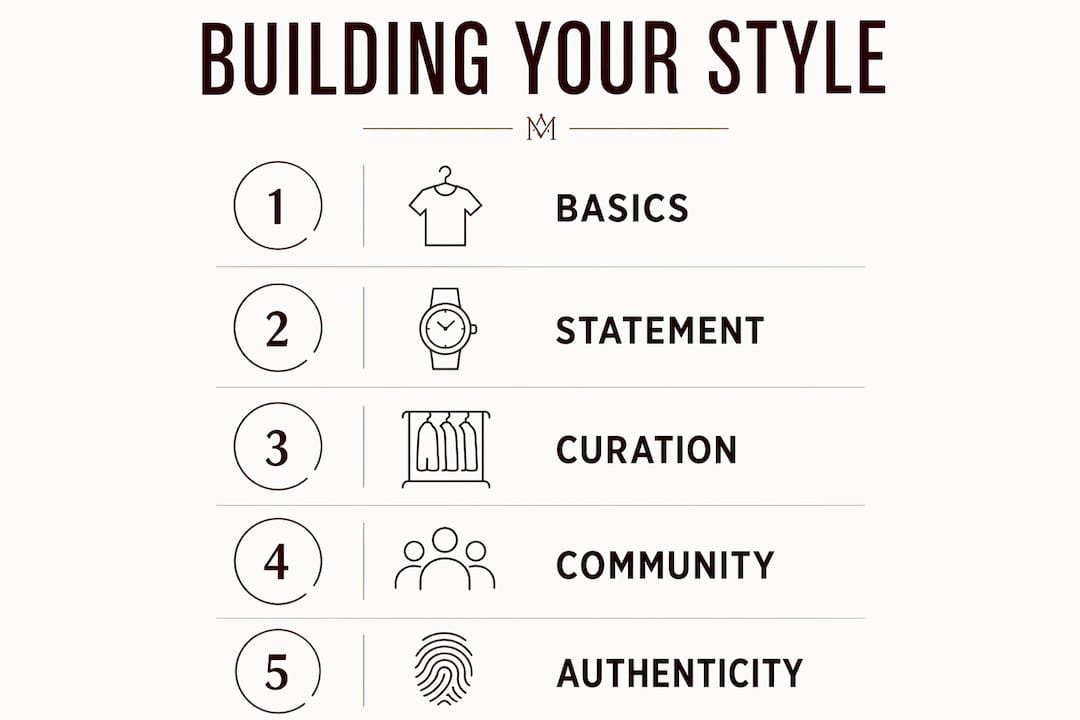
The foundation of any streetwear wardrobe is a set of neutral, high-quality basics. Heavyweight tees, well-fitted joggers, and a signature hoodie create the canvas. Statement pieces, whether a bold graphic tee, an art-printed jacket, or a cap with cultural significance, go on top. The ratio matters. Too many statement pieces cancel each other out. Too few and the look reads as generic.
Pro Tip: To create a signature streetwear aesthetic on a budget, invest in one premium foundational piece first. A quality oversized hoodie in a neutral color works with almost everything and signals taste without requiring a full wardrobe overhaul.
| Element | Foundational piece | Statement piece |
|---|---|---|
| Purpose | Creates visual base and cohesion | Communicates specific identity or affiliation |
| Examples | Heavyweight tee, neutral joggers, zip hoodie | Graphic tee, art-print jacket, cultural cap |
| Budget priority | High. Invest here first | Secondary. Add selectively |
| Frequency of wear | Daily rotation | Intentional, occasion-specific |
| Identity signal | Taste and quality awareness | Values, community, and personal story |
Incorporating art and cultural references authentically requires knowing the source. Wearing a graphic that references a music scene, a city, or a movement you have no connection to reads as hollow. The most effective streetwear looks are built from genuine affiliation. That authenticity is what makes the difference between a look that lands and one that falls flat.
Key Takeaways
Streetwear expresses identity most powerfully when graphics, cultural roots, and personal curation work together as a unified visual language.
| Point | Details |
|---|---|
| Graphics communicate values | Visual design references culture, place, and belief, making it the primary identity signal in streetwear. |
| Cultural roots create authenticity | Streetwear’s origins in skate, hip-hop, and graffiti culture give it a credibility that mainstream fashion cannot replicate. |
| Curation beats consumption | Choosing fewer, more meaningful pieces signals self-awareness and rejects fast-fashion disposability. |
| Consistency builds a signature look | Repeating visual motifs and color palettes across outfits creates a recognizable personal aesthetic. |
| Community amplifies identity | Shared visual codes and global connectivity make streetwear a living cultural dialogue, not just a clothing category. |
Streetwear in 2026: what I’ve learned about authenticity and identity
I have watched streetwear move from subculture to stadium, and the most consistent thing I have observed is this: the people who wear it best are the ones who wear it honestly. They are not chasing a look. They are communicating something real.
The mainstream adoption of streetwear has created a strange tension. The aesthetics are everywhere now, but the values behind them are not always carried along. Authenticity, community, and creative rebellion are not things you can buy in a single transaction. They accumulate over time through genuine engagement with the culture.
What I find most compelling about 2026 streetwear is how personal it has become. The emotional significance driving streetwear purchases among young people is not a marketing trend. It is a cultural correction. People are tired of wearing things that mean nothing. They want clothing that carries weight.
My advice is simple. Build a streetwear wardrobe the way you would build a record collection. Start with what genuinely moves you. Add slowly. Wear things until they tell a story. The Signature Zip Hoodie from Mrhappinessofficial is a good example of a piece built for exactly that kind of long-term relationship. Quality that holds up. A message that stays relevant. That is the standard worth holding.
— Kofi
Mrhappinessofficial: wear what you actually mean
Mrhappinessofficial was built on one idea. Special is not something the world gives you. It is who you already are.

Every piece in the collection is designed to carry that reminder. The Statement Oversized T-Shirt puts the message on the fabric itself. The “Be Unforgettable” Hoodie is built for people who do not need a crowd to validate their presence. The full signature collection covers hoodies, joggers, tees, tanks, and caps, all designed with the same intention: clothing that means something. Not because of a logo. Because of what it says about the person wearing it.
FAQ
What is the core definition of streetwear as identity expression?
Streetwear is defined as a cultural clothing practice where garments communicate personal values, community belonging, and lived experience through visual design. It functions as a wearable language rather than a trend-driven fashion category.
Why does streetwear celebrate individuality over mainstream fashion?
Streetwear rewards curation and personal meaning over volume and trend-cycling. Younger consumers choose streetwear for its emotional significance and its ability to signal authentic cultural affiliation rather than purchasing power.
How does the role of art in streetwear design affect identity?
Art and graffiti are foundational to streetwear aesthetics, connecting garments to urban culture and rebellion. Graphics referencing specific places, movements, or moments create a visual identity that is specific, durable, and personally meaningful.
How can someone build a streetwear wardrobe on a budget?
Start with one premium foundational piece in a neutral color, then add statement pieces selectively based on genuine cultural connection. Quality basics worn consistently communicate more identity than a large collection of trend-driven items.
How does community shape streetwear identity?
Streetwear communities use shared visual codes, collective memory, and authenticity standards to define belonging. Global connectivity has expanded these communities worldwide while preserving the local specificity that gives streetwear its cultural weight.