
Authentic Self Expression Examples for Real Life
Authentic self-expression is the act of conveying your true thoughts, feelings, and identity through means that genuinely reflect who you are. Psychologists define it as the alignment between your inner world and your outward behavior, and self-expression itself functions as emotional hygiene, not just a creative outlet. The quality of what you produce matters far less than the act of expressing. Across creative arts, communication, lifestyle, and digital platforms, the examples of authentic self expression available to you are wider and more practical than most people realize.
1. What are practical examples of authentic self expression in creative arts?
Creative arts are the most direct path to true self expression because they bypass the cognitive defenses that keep people performing instead of feeling. Creativity bypasses false-self defenses, allowing spontaneous, genuine identity to surface through art, music, and writing.
- Painting and drawing. You do not need technical skill. Putting color on paper without a goal forces you to respond to what you actually feel, not what looks acceptable.
- Sculpture and collage. Working with physical materials engages the body, which holds emotion more honestly than the thinking mind.
- Music and playlist curation. Building a playlist for a specific mood is a low-stakes form of emotional mapping. Composing, even badly, goes deeper.
- Dance and free movement. Moving without choreography is one of the purest forms of nonverbal authentic expression. No audience required.
- Writing and journaling. Freewriting for ten minutes without editing is a clinical tool. The “Name It to Tame It” technique, used in mindfulness therapy, quiets emotional centers by naming feelings in writing before they escalate.
Expressive arts therapy research shows that 3–6 months of consistent practice in these mediums shifts people from a performance mindset to an integrated one. That shift reduces false-self behavior and builds lasting confidence.
Pro Tip: Set a timer for 10 minutes and draw, write, or move without stopping. The rule is simple: no editing, no erasing, no judgment. Do this three times a week for one month and notice what changes.

2. How can communication styles embody authentic self expression?
Verbal and nonverbal communication are constant, real-time examples of personal expression. Most people underestimate how much they filter themselves in everyday conversation.
- Use “I-statements.” Saying “I feel overlooked when meetings start without me” is more honest than “You never include me.” The “I-statement” technique, recommended in clinical settings, builds authentic expression skills at zero cost and zero risk.
- Choose your tone deliberately. Speaking slower, softer, or with more directness than usual signals self-awareness. Tone is a choice, not a reflex.
- Practice honesty in low-stakes moments. Tell a cashier you are having a rough day. Text a friend what you actually think instead of what is easy. These micro-moments build the muscle.
- Let your body language match your words. Crossed arms while saying “I’m fine” is a split signal. Alignment between posture, eye contact, and speech is a visible form of authenticity.
- Reduce false-self behaviors in conversation. Agreeing when you disagree, laughing when you are not amused, and shrinking your vocabulary to fit a room are all forms of self-suppression. Catching these moments is the first step to changing them.
Emotional hygiene, the practice of regularly processing and expressing feelings, reduces the buildup of suppressed identity. Expression itself creates readiness for more authentic communication. You do not wait until you feel ready. You express, and readiness follows.
Pro Tip: Before your next difficult conversation, write down what you actually want to say. Not what is polite. What is true. Then decide how much of it to share. The writing alone shifts your internal state.
3. In what ways do lifestyle choices act as authentic self expression examples?
How you dress, what you do with your free time, and the habits you build daily are all visible statements about who you are. Lifestyle is not background noise. It is identity made physical.
- Fashion and clothing. What you wear is the most immediate nonverbal signal you send. Choosing clothes that reflect your values rather than your desire for approval is a daily act of self-declaration. Mrhappinessofficial builds its entire product line around this idea. The brand’s signature apparel is designed to remind people that identity is not borrowed from a label. It is worn from the inside out.
- Hobbies aligned with real interest. Picking up pottery because you love it, not because it photographs well, is authentic. Dropping a hobby that no longer fits is equally authentic.
- Daily rituals. A morning run, a specific coffee order, a playlist you never share. Small rituals that belong entirely to you are private expressions of self.
- Digital presence as a creative lab. Posting a short reflection, sharing a photo that is not curated, or writing a thread about something you genuinely care about are all low-stakes creative laboratories for testing your authentic voice.
Small, manageable habits like experimenting with your appearance or journaling desensitize fear of judgment before any public expression happens. Start with what costs you nothing. Build from there.
4. What role do digital mediums play in authentic self expression?
Digital platforms are the most accessible creative laboratories available right now. They are also the most dangerous for authenticity if used without intention.
- Micro-publishing. A short post, a newsletter, a voice note shared with three people. These formats let you test your real voice without the pressure of a large audience.
- Blogging and long-form writing. Writing regularly in public forces clarity about what you actually believe. The act of publishing, not the response to it, is what shapes authentic voice.
- Honest sharing over curated personas. Filters, highlight reels, and performed happiness are the opposite of authentic self expression. Sharing a real moment, even an unflattering one, builds more genuine connection than a perfect post.
- Fear as raw material. The discomfort of posting something real is not a sign to stop. Resistance is the creative material itself. Moving through it is how authentic voice develops.
- Setting boundaries online. Choosing what not to share is as authentic as choosing what to share. Authenticity is not radical transparency. It is intentional honesty.
The biggest mistake people make online is waiting until they feel confident before expressing themselves. Confidence is the result of expression, not the prerequisite for it.
5. What are some unexpected ways to express your authentic self?
The most overlooked examples of personal expression are the quietest ones. They require no audience and no skill level.
Shadow work journaling is the practice of writing about the parts of yourself you normally suppress. Anger, envy, fear, and shame are not flaws to hide. They are information. Writing them down without judgment integrates them rather than amplifying them.
Sensory and embodied inquiry replaces “Why do I feel this way?” with “Where do I feel this in my body?” Sensory-focused questions bypass the intellectual defenses that keep you performing instead of feeling. This is not therapy-speak. It is a practical shift in attention.
Pre-performance rituals. Putting on a specific outfit before a hard day, choosing a scent that grounds you, or listening to one song before a meeting. These micro-rituals are private acts of self-alignment that most people never name as expression.
Authenticity arises when internal resistance is integrated as fuel for growth instead of hidden. When you stop fighting what you feel and start expressing it, you unlock personal power and give others permission to do the same.
Pro Tip: Next time you feel a strong emotion, place one hand on your chest and ask: “Where is this in my body?” Stay with the sensation for 30 seconds before analyzing it. This single habit builds more self-awareness than most journaling prompts.
Key takeaways
Authentic self-expression is a daily practice built through small, consistent acts across creative, verbal, lifestyle, and digital domains, not a single dramatic moment of revelation.
| Point | Details |
|---|---|
| Creative arts build authenticity | Painting, writing, dance, and music bypass cognitive defenses and surface genuine identity over time. |
| Communication is constant expression | “I-statements,” honest tone, and aligned body language are daily tools for authentic self-presentation. |
| Lifestyle choices signal identity | Fashion, hobbies, and rituals are visible, ongoing statements about who you are and what you value. |
| Expression creates readiness | Sharing before you feel ready is how confidence and authentic voice actually develop. |
| Small habits reduce fear | Low-stakes journaling, style experimentation, and micro-publishing desensitize judgment and build lasting authenticity. |
What I’ve learned about authentic expression that no one tells you
Most articles on how to be authentic tell you to “know yourself first.” That advice gets it backward. You do not know yourself and then express. You express and then know yourself. That distinction changed everything for me.
I spent years waiting to feel ready before I shared anything real. Ready to write. Ready to dress differently. Ready to say what I actually thought in a meeting. That readiness never came on its own. What came instead was a slow erosion of identity. The more I performed, the less I recognized myself.
The shift happened when I started treating expression as a practice, not a performance. A daily note in my phone. A piece of clothing that felt like me, not like approval. A single honest sentence in a conversation I would have otherwise deflected. None of it was dramatic. All of it compounded.
The fear does not disappear. It becomes familiar. And familiar fear is manageable. What I know now is that imperfection is not the obstacle to authentic expression. Imperfection is the proof of it.
— Kofi
Wear your identity, not a label
Authentic self-expression does not stop at what you say or create. It lives in what you choose to put on every morning.
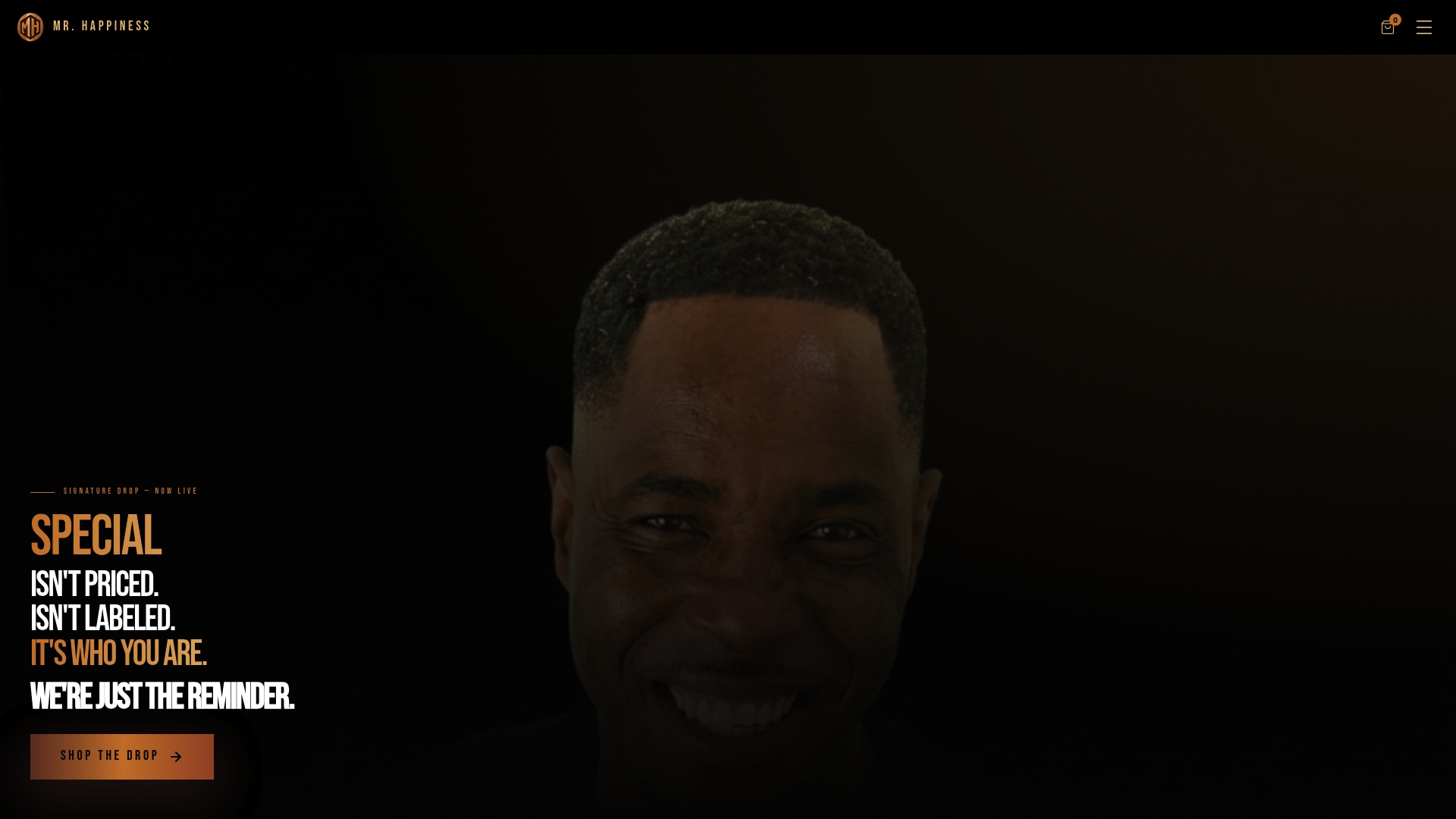
Mrhappinessofficial builds premium streetwear for people who are done performing for approval. The Statement Oversized T-Shirt and the Signature Zip Hoodie are not just clothing. They are daily reminders that your identity is not borrowed from a brand or a trend. It is yours. The full Mrhappinessofficial collection is built around one idea: special is who you are, not what you wear to prove it. Wear the reminder.
FAQ
What is authentic self expression?
Authentic self-expression is the alignment between your inner identity and your outward behavior, communicated through creative, verbal, or lifestyle choices. The quality of the output matters less than the honesty of the act.
What are the easiest examples of personal expression to start with?
Journaling, using “I-statements” in conversation, and experimenting with your clothing are the lowest-barrier starting points. Small, low-stakes habits build confidence before any public expression is required.
How long does it take to develop an authentic voice?
Consistent embodied practices like freewriting, movement, and art typically require 3–6 months to shift a person from a performance mindset to an integrated one.
Can clothing be a form of authentic self expression?
Clothing is one of the most immediate and visible forms of personal expression. Choosing what you wear based on your values rather than external approval is a daily act of identity.
Why does authentic self expression feel so difficult?
Fear of external judgment is the primary block. Resistance to authentic expression is normal, and moving through it, rather than waiting for it to pass, is what builds a genuine voice.